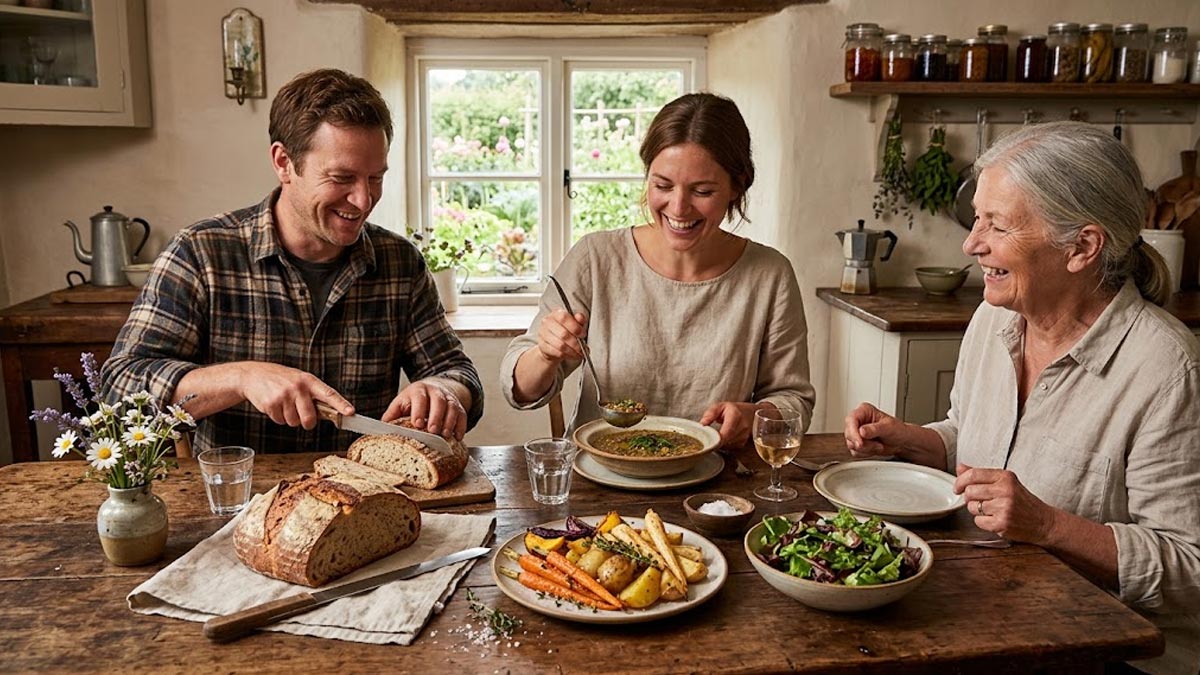
Complex tasting menus, high-concept molecular gastronomy, and visually elaborate, algorithm-driven dishes are losing their luster. Across the global dining scene, a quiet revolution is happening: food lovers are turning away from hyper-complicated plates in favor of unpretentious, ingredient-focused, simple food.
The underlying driver goes deeper than mere culinary nostalgia. People aren’t just seeking comfort—they are suffering from “decision fatigue” and overstimulation, leading to a desire for authentic, transparent dining experiences.
1. Overcoming Culinary Overstimulation
In an era dominated by dramatic social media food trends, meals are often designed more for visual impact than genuine flavor. Saturated colors, multi-step garnishes, and extravagant presentations have created a sensory overload. Simple cooking—a perfectly seared piece of fish, fresh sourdough with cultured butter, or a three-ingredient pasta—offers a welcome palate cleanser for overstimulated diners.
2. The Drive for Radical Transparency
Complex sauces and intricate culinary techniques can sometimes mask average produce. Simple dishes, by contrast, offer complete transparency; there is nowhere for poor quality to hide. When a dish relies on just a few elements, every single component must be exceptional:
- Produce: Peak-season heirloom tomatoes harvested at full ripeness.
- Fats: Extra virgin olive oils single-sourced from individual groves.
- Proteins: Grass-fed meats and wild-caught seafood prepared over open wood flames.
3. Combatting Digital Decision Fatigue
Modern life requires constant choices, screen time, and mental processing. A dining experience featuring a 15-course tasting menu with lengthy tableside explanations can feel more like an intellectual exercise than a restful meal. Simple food strips away the pretension. It allows diners to relax, converse, and enjoy nourishment without needing a culinary degree to appreciate what is on the plate.
4. The Rise of the “Micro-Bistro”
Chefs themselves are driving this shift. Disillusioned by high overhead costs and the intense pressure of keeping up with elaborate culinary trends, many are opening small, relaxed neighborhood bistros. These spaces focus on short, daily-changing menus built around whatever looks best at the morning market, executed with timeless technique rather than theatrical flair.
| Culinary Era | High-Concept Dining | The New Simple Food |
| Primary Focus | Visual shock value & complex technique | Ingredient quality & emotional comfort |
| Menu Style | Long multi-course tasting menus | Short, focused, seasonal daily specials |
| Diner Feeling | Intellectual appreciation & awe | Grounded connection & genuine satisfaction |
| Key Element | Elaborate plating & exotic ingredients | Minimalist preparation & hyper-local produce |
Ultimately, the return to simplicity isn’t a lack of culinary ambition—it is the highest form of it. Executing a perfect dish with only three or four ingredients requires supreme confidence, flawless technique, and respect for nature. As dining culture continues to evolve, the most memorable meals are no longer the most complicated, but the ones that feel most real.
Leave a Reply