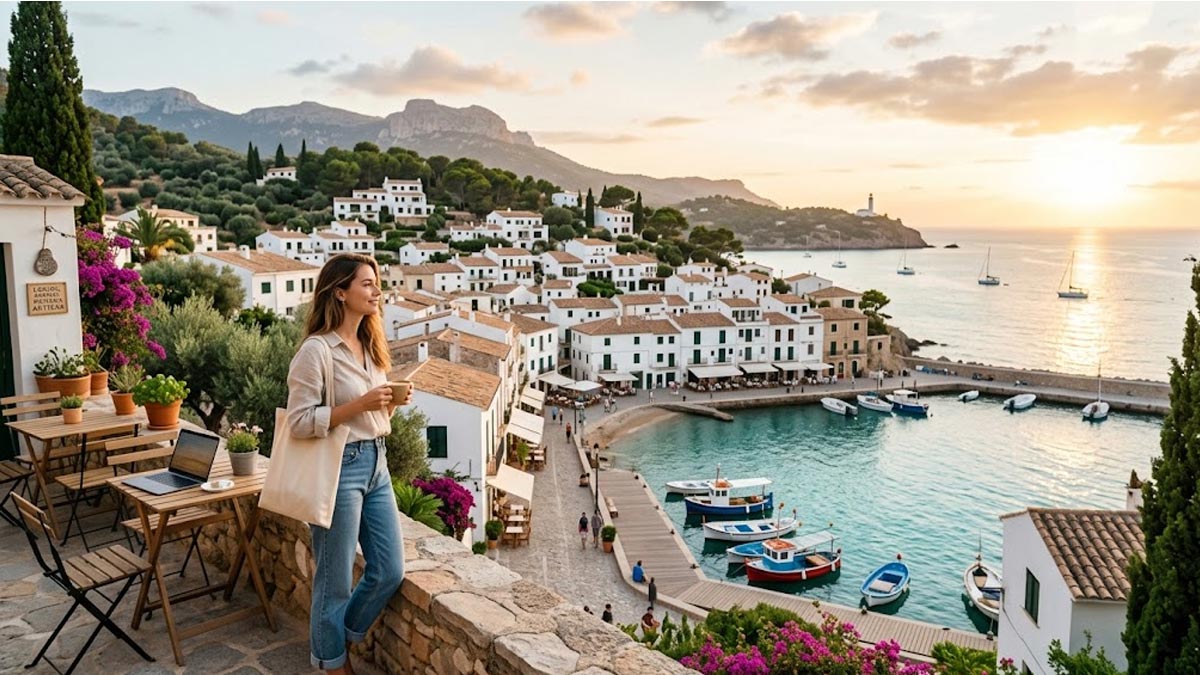
The relentless pace of metropolitan life—defined by soaring rent costs, perpetual traffic congestion, and non-stop noise—is driving a quiet migration. Rather than enduring urban burnout, a growing wave of remote workers, families, and professionals are trading skyscraper views for coastal horizons. Small seaside towns, long considered seasonal vacation spots, are steadily transforming into thriving year-round sanctuaries.
The Appeal of Shoreline Living
The shift toward coastal towns isn’t just about scenic views; it’s a fundamental lifestyle upgrade driven by flexibility and well-being.
- Enhanced Quality of Life: Proximity to natural blue spaces promotes lower stress levels, cleaner air, and an active outdoors lifestyle centered around walking, swimming, and open-air recreation.
- Stronger Sense of Community: Unlike the relative anonymity of major urban centers, smaller coastal towns often foster tight-knit neighborhoods, local markets, and collaborative small business ecosystems.
- More Value for Space: Living further from major metros frequently offers access to larger homes, yards, and sea views at price points that would only secure a compact apartment in a downtown core.
- Modern Infrastructure & Remote Work: Widespread high-speed internet and flexible work policies have severed the tie between physical office presence and career growth, allowing professionals to work from anywhere with a stable signal.
A Lasting Lifestyle Pivot
As coastal communities continue to upgrade their amenities—adding modern co-working spaces, independent cafes, and updated cultural hubs—the move away from major cities is proving to be far more than a temporary trend. It represents a permanent realignment of priorities: putting daily peace and natural connection above the urban grind.
Leave a Reply