For years, big cities seemed to be moving in one direction: toward larger chains, familiar brands, and increasingly standardized shopping districts. Walk through a major downtown area and it could be easy to find the same coffee chain, clothing store, or convenience retailer you had seen hundreds of miles away.
But something is changing.
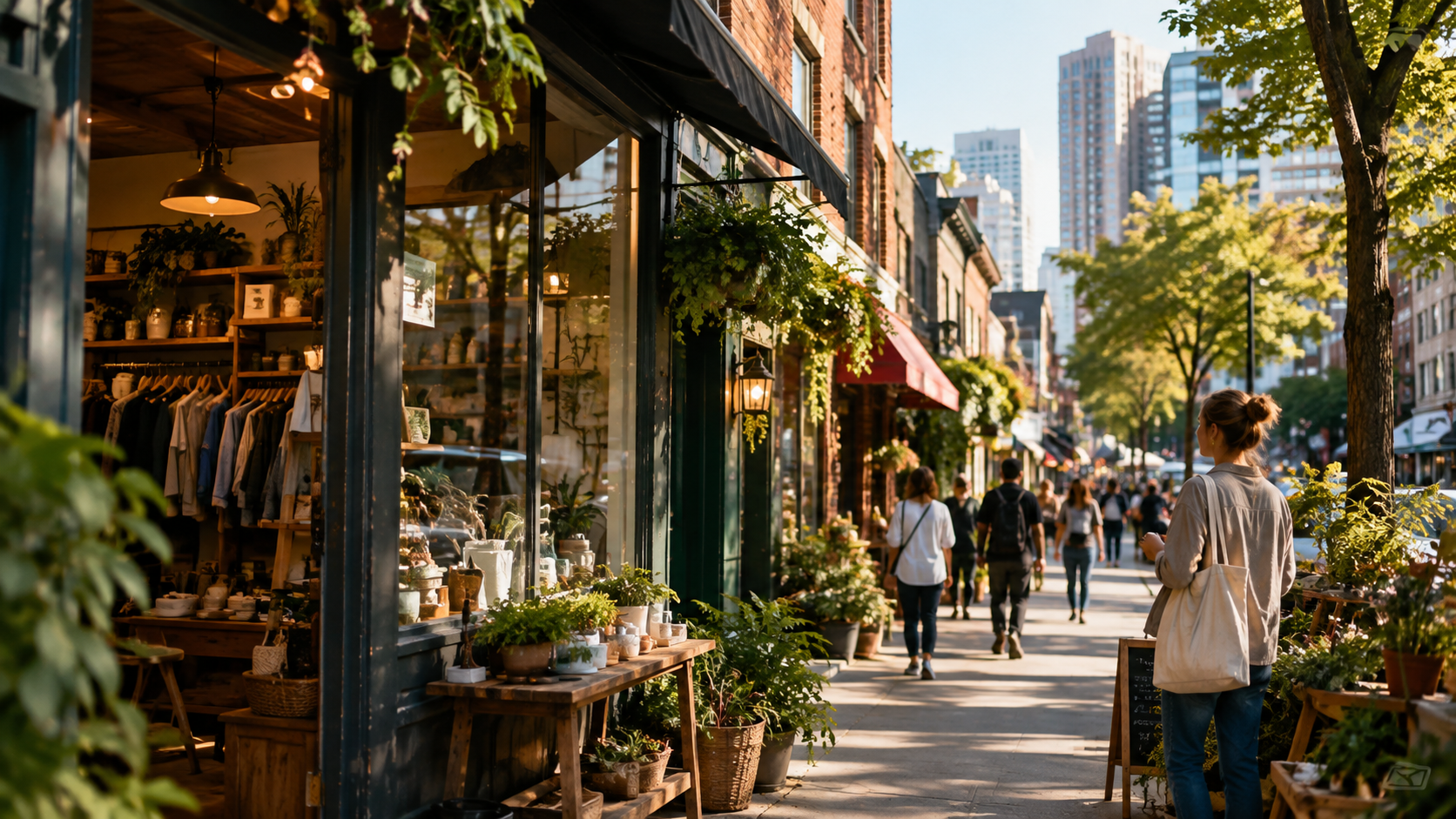
Independent shops are finding new energy in major cities, from neighborhood bookstores and specialty food stores to small fashion boutiques, record shops, bakeries, and design studios. Their comeback is not simply about nostalgia. It reflects a broader shift in what urban consumers want from the places where they shop, eat, and spend their free time.
People Want Places That Feel Local
One of the biggest advantages independent businesses have is personality.
A small shop often reflects the neighborhood around it. The products may be carefully selected by the owner, the interior may have a distinctive character, and customers may recognize the people working behind the counter.
That creates an experience that large chains can struggle to reproduce.
In an era when consumers can order almost anything online, simply selling a product is no longer enough. Physical stores increasingly need to give people a reason to visit. Independent shops can do that by offering atmosphere, discovery, and a sense of connection.
Shopping Is Becoming More Experiential
Consumers are also treating shopping as part of their leisure time.
A visit to an independent bookstore might include discovering a local author. A small food shop might introduce customers to unusual ingredients. A neighborhood clothing store might host a designer pop-up or community event.
These experiences turn ordinary shopping into something worth remembering.
That matters particularly in cities, where people have countless options for how to spend their time. A store that feels interesting and authentic can become a destination in its own right.
Social Media Is Helping Small Stores Compete
The internet that once seemed like a threat to physical retail has also become one of its most useful tools.
A distinctive storefront, beautifully arranged display, unusual product, or memorable customer experience can spread quickly on social media. A small business does not necessarily need a huge advertising budget to attract attention.
In some cases, being visually different is an advantage.
Independent shops can respond quickly to trends, experiment with products, and develop a recognizable identity without navigating the layers of decision-making found inside large corporations.
Neighborhood Identity Matters More
Big-city residents are increasingly interested in the character of their own neighborhoods.
Instead of traveling across town to visit a famous destination, people may spend more time exploring independent businesses within walking distance or a short trip from home.
This creates a stronger relationship between local retail and neighborhood identity.
A coffee shop, bakery, vintage store, florist, or bookstore can become part of the daily rhythm of an area. Over time, these businesses help give a neighborhood its personality.
Customers Appreciate Curation
Another reason independent shops are gaining attention is that they can offer something difficult to find online: strong human curation.
Large marketplaces provide enormous choice, but too much choice can sometimes make shopping exhausting.
An independent retailer can narrow that selection.
Instead of hundreds of similar products, customers might find a small collection chosen specifically for the store’s audience. The owner or staff can explain why something was selected, how it should be used, or what makes it different.
That human filter can be surprisingly valuable.
The Comeback Isn’t About Rejecting Big Brands
Independent stores are unlikely to replace major chains entirely.
Large retailers offer convenience, scale, competitive pricing, and accessibility. There will always be demand for those advantages.
The more interesting development is that both models can coexist.
Consumers may buy everyday essentials from large retailers while deliberately choosing independent businesses for products and experiences where personality matters more.
That creates a retail environment where convenience and character can exist side by side.
A New Kind of Urban Retail
The comeback of independent shops says something important about modern city life.
After years of increasing convenience and digital shopping, people are rediscovering the value of places that feel specific to where they are. They want stores with stories, owners with opinions, products with personality, and neighborhoods that don’t feel interchangeable.
Independent shops provide exactly that.
Their future may not depend on competing with the biggest retailers on price or scale. Instead, their strength may come from offering something large businesses have difficulty creating: a genuine sense of place.
And in increasingly connected cities, that local feeling may become one of the most valuable things a shop can sell.
Leave a Reply