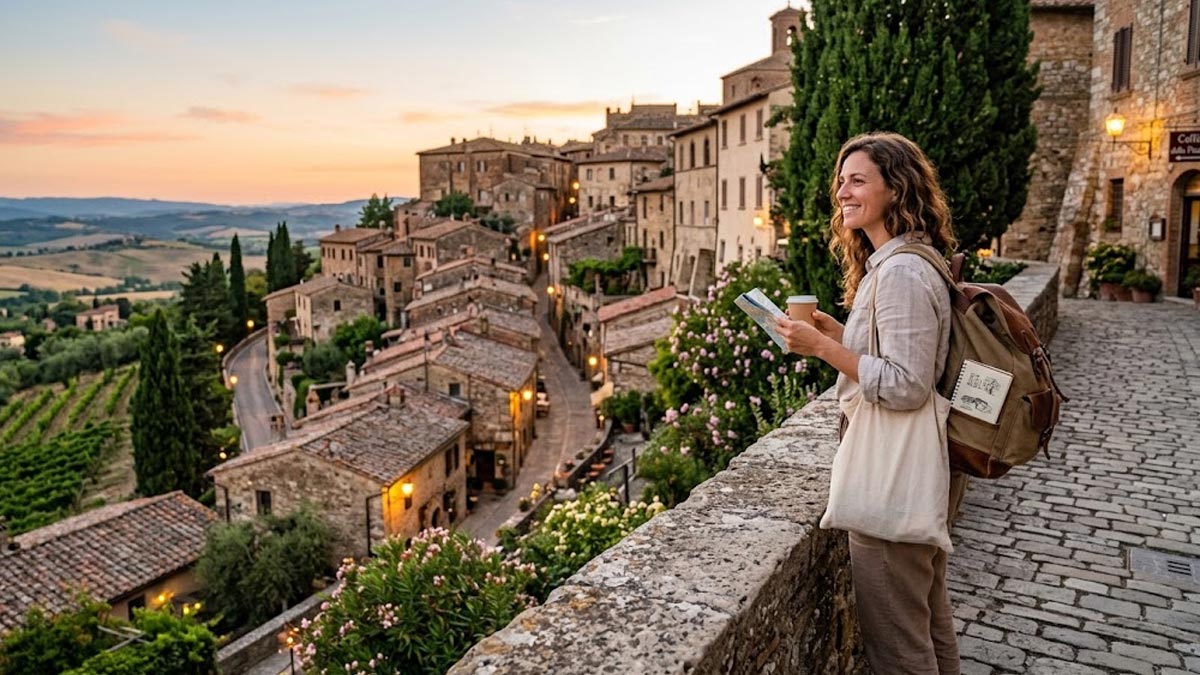
For decades, the standard formula for a successful vacation was built on velocity and volume. Travelers crossed off as many landmarks as possible within a tight two-week window, collecting photos like souvenirs and returning home more exhausted than when they left. Today, that frantic approach is losing its appeal. A growing shift toward slow travel is redefining what makes a trip genuinely memorable, favoring depth of connection over the length of an itinerary.
Quality Over Quantity
Slow travel is less about where you go and more about how you experience it. Instead of rushing between three cities in seven days, slow travelers choose to settle into a single neighborhood, taking the time to understand its rhythm. It trades high-stress itineraries for unhurried exploration.
- Deeper Cultural Connections: Staying longer in one place opens the door to organic interactions—learning a local language, chatting with neighborhood shopkeepers, or discovering hidden spots far from the typical tourist map.
- Reduced Travel Fatigue: By eliminating constant packing, train connections, and early morning flights, the vacation transforms back into what it was originally meant to be: a period of actual rest and rejuvenation.
- Lower Environmental Footprint: Slow travel naturally encourages greener habits, relying on walking, cycling, or local public transport rather than frequent flights or long drive times.
- Support for Local Economies: Rather than spending money exclusively at multinational hotel chains and major tour operators, slow travelers tend to frequent family-run guesthouses, local cafes, and neighborhood markets.
Redefining the Journey
This movement reflects a broader shift in how we view time off. A perfect vacation is no longer measured by the density of a checklist or the number of countries stamped on a passport. By slowing down, travelers are discovering that the most enriching moments often happen when there is nothing scheduled at all.
Leave a Reply