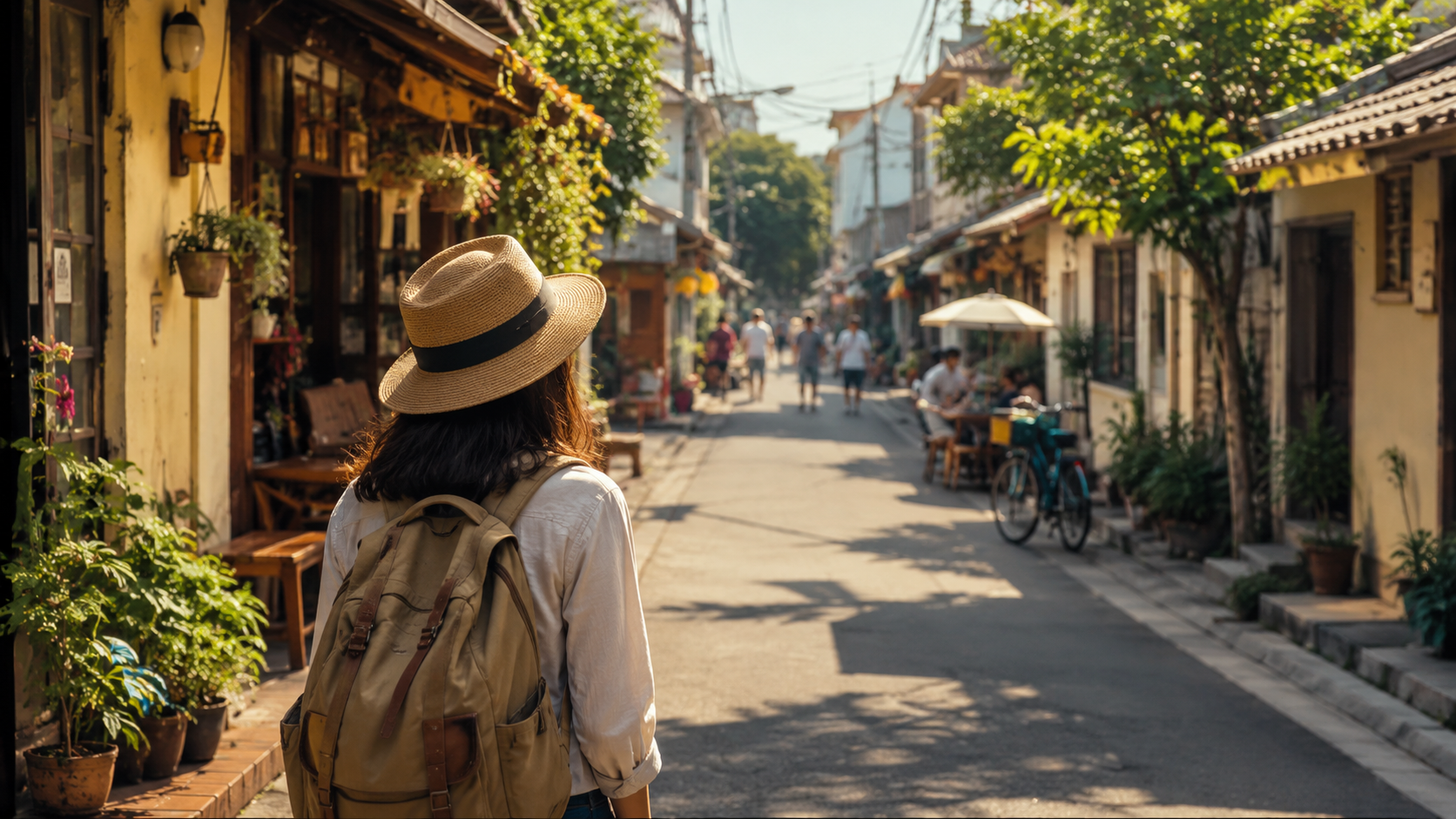
For years, travel culture has encouraged people to chase the biggest sights, most famous cities, and destinations that dominate social media feeds. But a quieter trend is changing how people think about memorable trips: ordinary places are becoming destinations in their own right.
A neighborhood café, a small-town market, a quiet coastal road, or an unremarkable local park can suddenly feel special when travelers slow down enough to experience it.
This shift is less about finding the next hidden paradise and more about changing the way people travel.
The Rise of Everyday Travel
Travelers are increasingly interested in experiences that feel authentic rather than perfectly packaged. Instead of spending an entire trip moving between famous attractions, some are choosing to explore residential streets, local food stalls, independent shops, public markets, and small community spaces.
The appeal is simple. Ordinary places often provide something heavily promoted attractions cannot: a glimpse of how people actually live.
A morning spent watching a neighborhood come to life can become just as memorable as visiting a major landmark. A simple meal at a family-run restaurant can tell travelers more about a place than a crowded tourist attraction.
Why Familiar Places Suddenly Feel Different
One reason this trend is growing is that travelers are becoming more aware of how much atmosphere influences an experience.
A street does not have to be historically important to be beautiful. A café does not need to be famous to serve an unforgettable meal. A small town does not need a world-famous attraction to offer a memorable weekend.
When travelers pay attention to architecture, sounds, food, people, weather, and everyday routines, familiar-looking environments can take on a completely different character.
The destination becomes less important than the experience of being there.
Social Media Is Changing, Too
Ironically, social media has helped push travelers beyond the traditional tourist checklist.
After years of seeing the same landmarks repeatedly online, many people are searching for experiences that feel more personal. A quiet street, unusual storefront, neighborhood bakery, or local festival can feel more exciting precisely because it has not been seen a thousand times before.
This has created a new kind of travel discovery. Instead of asking, “What is the most famous thing here?” travelers are increasingly asking, “What does this place feel like?”
That small change in perspective can completely transform an itinerary.
The Appeal of Slower Exploration
This trend also connects with the broader interest in slower, less exhausting travel.
Trying to see every major attraction can turn a vacation into a schedule of reservations, transportation, queues, and photo stops. Exploring ordinary places creates more room for spontaneity.
Travelers can walk without a strict destination, stop when something catches their attention, and spend an extra hour somewhere simply because they enjoy it.
Those unplanned moments often become the stories people remember most.
Small Businesses Become Part of the Experience
Ordinary-place travel can also bring attention to businesses that rarely appear in conventional travel guides.
Independent coffee shops, neighborhood restaurants, bookstores, markets, craft stores, and family-owned businesses can become meaningful parts of a trip.
Instead of simply consuming a destination, travelers become participants in its local economy and daily rhythm.
A small purchase or conversation may not seem significant at the time, but it can create a stronger connection to a place than another photograph at a famous landmark.
You Don’t Need a Famous Destination
Perhaps the biggest idea behind this trend is that memorable travel does not always require an extraordinary destination.
A traveler can visit a city that seems completely ordinary on paper and still return home with remarkable memories. The difference often comes from curiosity.
Look beyond the attractions. Walk a little farther. Try something that locals actually eat. Sit in a public square. Visit a neighborhood market. Take the scenic route. Notice the details that would normally be ignored.
The destination may remain ordinary.
The experience does not have to be.
The New Definition of a Great Trip
As travelers become less focused on checking famous places off a list, the definition of a great trip is changing.
It is no longer necessarily about how many attractions were visited or how impressive the photographs look. Increasingly, it is about whether the traveler felt connected to the place.
That may explain why an unplanned afternoon wandering through an unfamiliar neighborhood can sometimes be remembered more fondly than an expensive, carefully organized excursion.
The emerging travel trend is not really about discovering extraordinary places. It is about learning to see ordinary ones differently.
And once travelers adopt that mindset, almost anywhere can become worth exploring.
Leave a Reply